
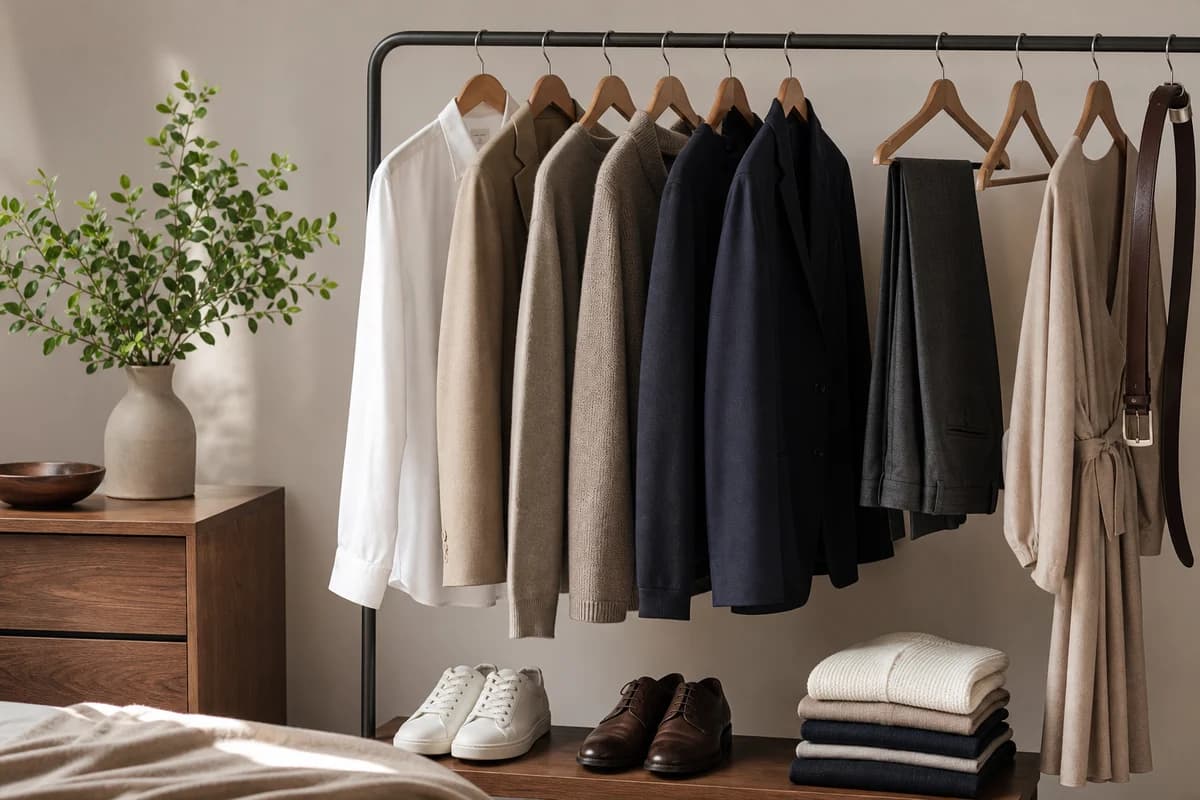
Dressing well is easier when the outfit has a job. It can sharpen, soften, lengthen, frame the face, add structure, or make you feel more like yourself. It does not need to follow every trend.
Fashion publications keep returning to wardrobe essentials for a reason: great outfits often come from strong basics, not constant novelty. Vogue’s 2026 wardrobe essentials edit highlights classics such as white tees, denim, tailored trousers, button-up shirts, blazers, flats, and versatile bags.
Start near the face
The first place to improve an outfit is the area around the face:
- neckline
- collar
- earrings
- glasses
- hair shape
- color near skin
- jacket or cardigan line
If the top half works, the whole outfit usually feels more intentional.
Fit beats size label
Ignore the number on the tag. Look at the line:
- shoulder seam
- waist placement
- sleeve length
- trouser break
- skirt or dress length
- how fabric falls when you move
A simple piece with good fit often looks better than a trendy piece that fights your proportions.
Build a base wardrobe
Useful basics may include:
- white or off-white T-shirt
- tank or fitted layering top
- button-up shirt
- straight jeans
- tailored trousers
- simple skirt or dress
- blazer
- cardigan or knit
- trench or clean coat
- comfortable flat or loafer
- shoe that adds polish
You do not need every item. You need the ones that fit your life.
Use contrast intentionally
Contrast means how light, dark, soft, or bold the outfit looks against your skin, hair, and features.
Try:
- softer contrast if black and white feels harsh
- stronger contrast if muted outfits wash you out
- one face-brightening color near the neckline
- repeating colors in shoes, bag, belt, or jewelry
Photos help. Take a mirror photo in daylight and compare outfits side by side.
Avoid trend overload
Trends are useful when they solve a problem or add personality. They are not useful when they make every outfit harder.
Before buying:
- can this work with three things I own?
- does it flatter my face or body line?
- does it fit my real week?
- would I still like it without the trend label?
The useful takeaway
For women, dressing better usually starts with:
- face-framing neckline and color
- fit and proportion
- reliable basics
- one intentional styling detail
- fewer random trend purchases
If you want style direction based on your own selfie, start your personal report. It can help connect your face, hair, grooming, colors, and photo presentation.