
“Facial balance” sounds more intense than it needs to be. Used badly, it becomes a strange way to judge yourself. Used well, it is just a practical lens: how your features, hair, grooming, and styling work together in the impression people actually see.
That is the angle behind My Beauty Report. The point is not to tell you to become someone else. The point is to turn one selfie into clearer grooming, style, and photo-ready priorities.
Balance is about the full impression
A face is not read feature by feature in isolation. Hair changes the outline. Brows affect expression. Facial hair changes the jaw and mouth area. Glasses add structure or visual weight. Lighting can make the same face look softer, sharper, older, calmer, or more tired.
So facial balance is not only “symmetry.” It is the relationship between:
- face shape
- feature spacing
- hair volume and direction
- brow and facial hair grooming
- skin finish
- color contrast
- camera setup
That is why a generic tip often fails. The same advice can help one person and distract another.
A useful analysis should become actions
If an analysis only gives you a score, it is incomplete. The valuable part is the action plan.
Better questions:
- What already works?
- What should stay the same?
- What makes photos less flattering?
- Which grooming detail is most visible?
- Which style direction supports the face?
- What is the next small improvement?
The best output is not “change everything.” It is “do these few things first.”
Photos can distort the analysis
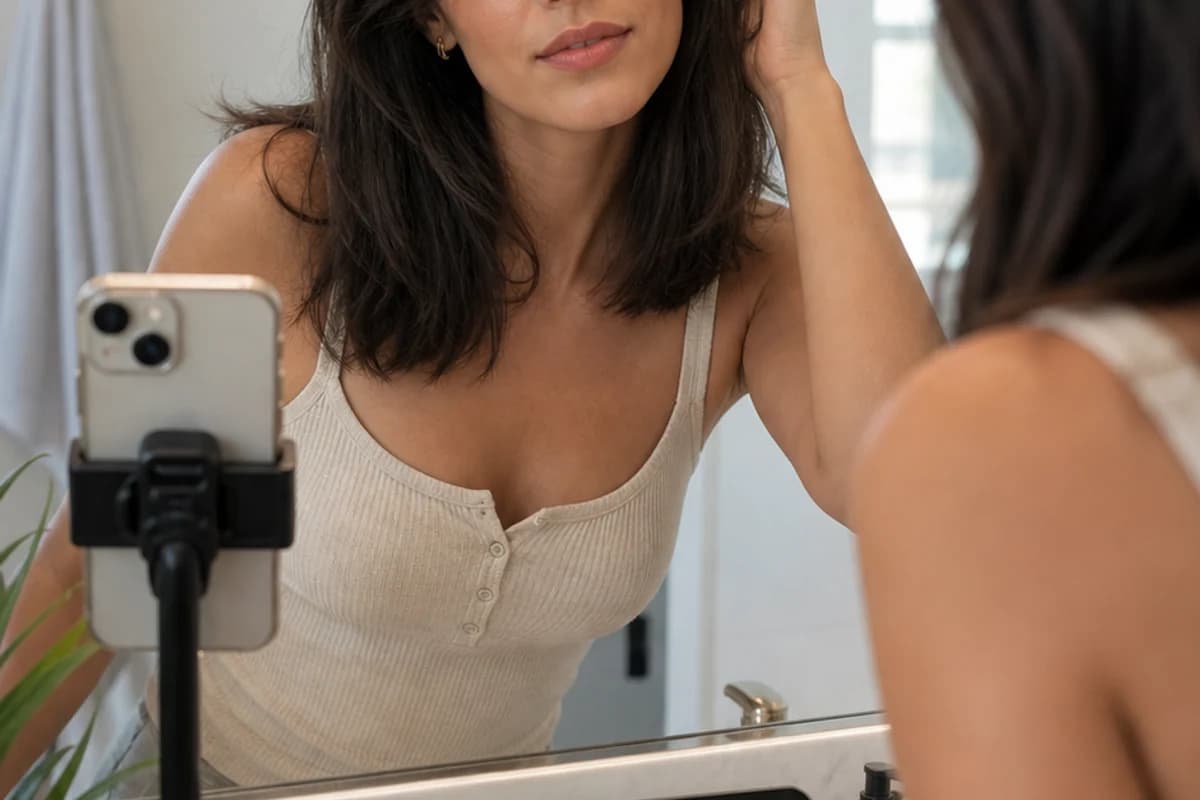
Camera setup matters. Research has shown that focal length and acquisition method can affect depicted facial shape and perception. That means a too-close selfie can make certain features look stronger than they do in person.
For a better input photo:
- use soft front-facing light
- keep the camera around eye height
- avoid extreme close-ups
- keep expression neutral but awake
- remove hats, heavy filters, and strong shadows
The cleaner the selfie, the more useful the report.
Facial balance is not medical advice
This matters. A beauty or facial aesthetics report should not diagnose skin conditions, recommend procedures, make mental-health claims, or tell you what you “need” surgically.
The useful lane is appearance and presentation:
- grooming priorities
- photo readiness
- hair and facial hair direction
- color and contrast cues
- style framing
- strengths to keep
If something is painful, changing, bleeding, inflamed, severe, or worrying, that belongs with a healthcare professional.
How to use facial balance in real life
Use it before choices that are easy to overthink:
- a haircut
- new profile photos
- glasses frames
- beard shape
- dating app photos
- content creator headshots
- a style refresh
You are looking for direction, not perfection.
The useful takeaway
Facial balance is worth thinking about only when it helps you act better. A good analysis should tell you what reads well, what gets in the way, and what to change first.
If you want that applied to your own face, start a private beauty report. You will get a downloadable guide with strengths, score breakdown, grooming priorities, and photo-ready recommendations.