
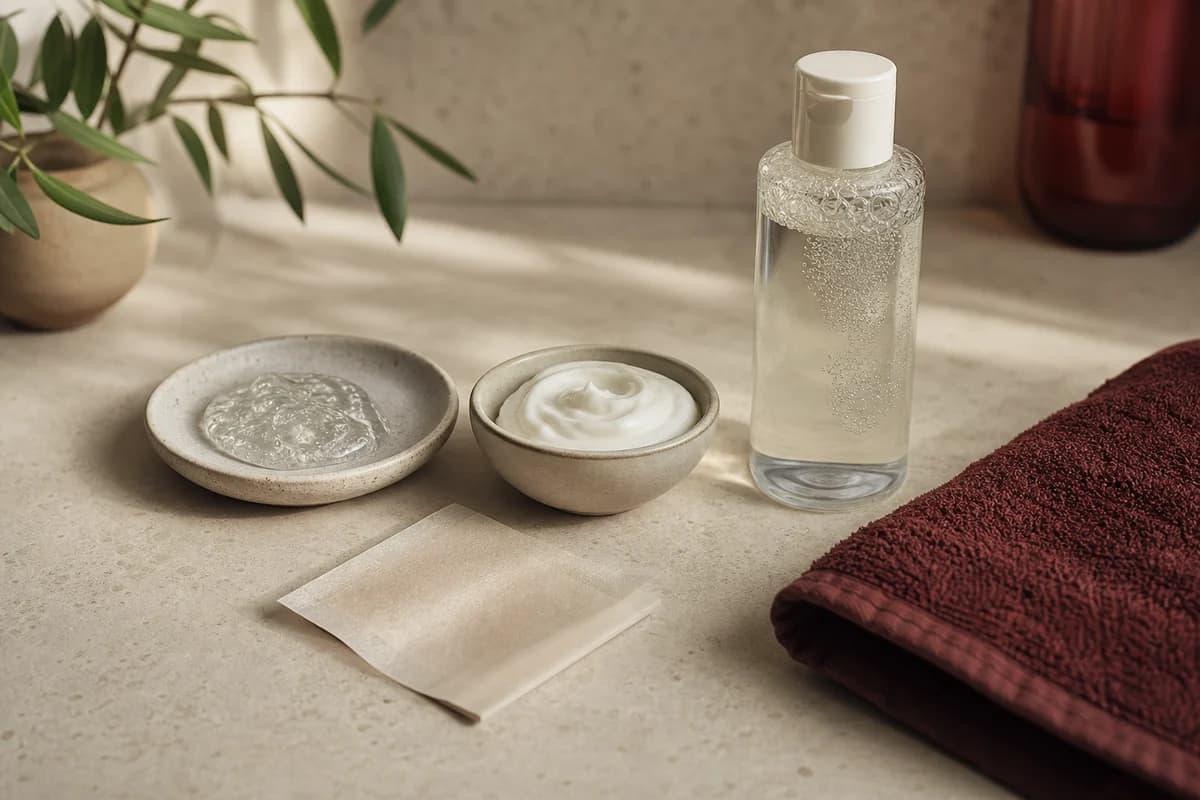
Skin type is useful only if it helps you choose better habits. It should not turn your bathroom shelf into a lab.
The American Academy of Dermatology describes common skin types in plain terms: normal skin is clear and not sensitive, dry skin can be flaky or rough, oily skin looks shiny or greasy, combination skin is dry in some areas and oily in others, and sensitive skin may sting or burn after product use.
If you want a broader read on how your skin appearance fits your grooming and photo presentation, start your private beauty report. For daily care, start here.
Normal skin
Normal skin usually tolerates basic products well. The goal is maintenance, not constant experimentation.
Keep it simple:
- gentle cleanser
- moisturizer when skin feels dry
- broad-spectrum sunscreen during the day
- avoid harsh scrubs just because your skin seems resilient
Normal skin can still get irritated if you stack too many active products.
Dry skin
Dry skin often feels tight, flaky, itchy, or rough. It usually needs less stripping and more barrier support.
Better choices:
- creamy or gentle cleanser
- warm water instead of hot water
- moisturizer on slightly damp skin
- fragrance-free products if your skin gets irritated
- fewer exfoliating products
AAD guidance for dry skin emphasizes short warm showers, gentle fragrance-free cleansers, and moisturizing well.
Oily skin
Oily skin can look shiny and may be more breakout-prone, but drying it out aggressively often backfires.
Better choices:
- gentle foaming cleanser
- oil-free or noncomedogenic moisturizer
- lightweight sunscreen
- blotting papers instead of constant washing
- avoid alcohol-heavy products if they sting or strip
Oily skin still needs moisture. The goal is balance, not a squeaky-clean feeling.
Combination skin
Combination skin is common: oily through the T-zone, drier on the cheeks or around the mouth.
Treat zones differently:
- use a gentle cleanser everywhere
- use lighter moisturizer on oily areas
- add more moisturizer only where dry
- do not use one harsh product across the whole face
The mistake is treating combination skin like it is all oily or all dry.
Sensitive skin
Sensitive skin may sting, burn, or flush after product use. It usually needs fewer ingredients and more patience.
Look for:
- fragrance-free, not merely unscented
- gentle cleanser
- moisturizer with a short ingredient list
- patch testing before using a product everywhere
- one new product at a time
If irritation is persistent, painful, spreading, or unexplained, see a dermatologist.
The useful takeaway
Your skin type should guide product texture and intensity:
- dry skin: richer and gentler
- oily skin: lighter but not stripping
- combination skin: zone-based
- sensitive skin: fewer irritants
- normal skin: maintain the basics
Once the basics are stable, the next question is presentation: how your skin finish, grooming, hair, and style work together. Create your report if you want that read from one selfie.