
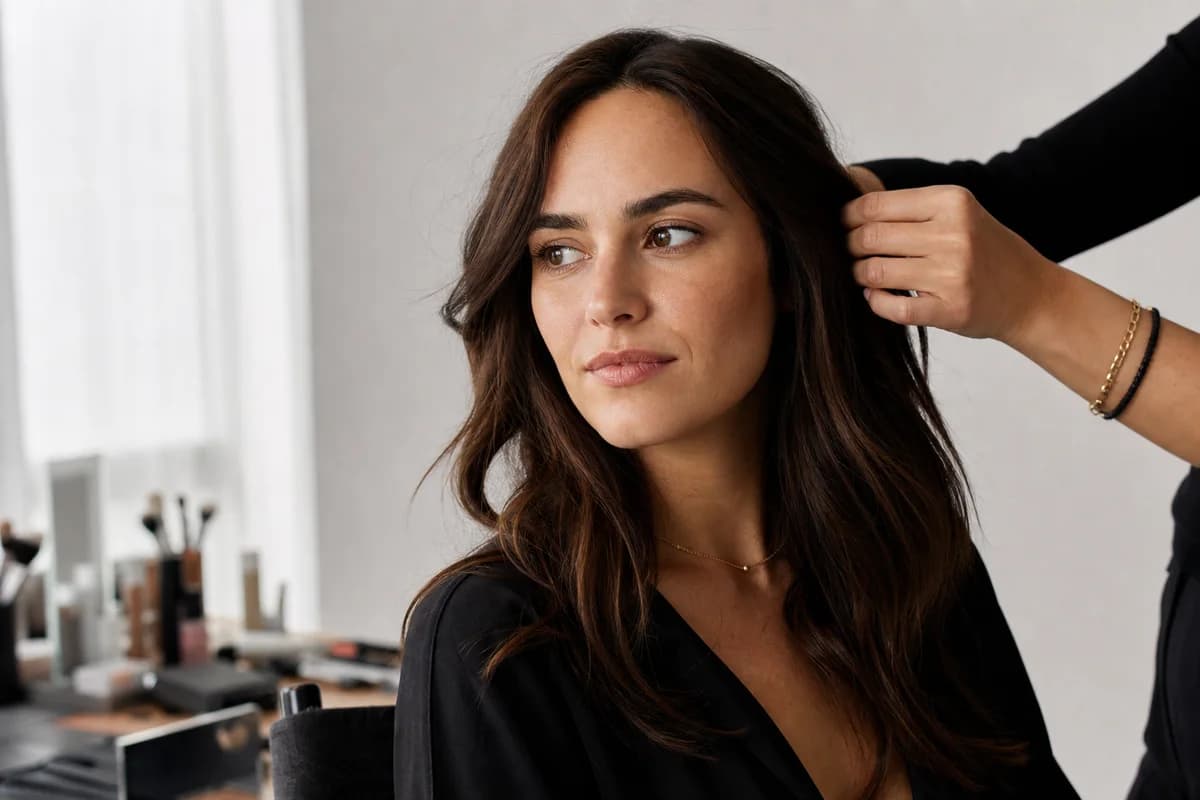
What makes a face attractive is rarely one feature. It is the combined read of shape, balance, skin appearance, grooming, hair, expression, and context. A strong jaw can be hidden by the wrong haircut. Good eyes can be weakened by harsh shadows. Balanced features can still look tired in bad light.
That is why practical beauty advice should focus on the whole face, not isolated flaws.
Balance matters more than one perfect feature
Facial balance is the relationship between features. It includes spacing, proportions, symmetry, face shape, and how the upper, middle, and lower face work together.
But balance does not mean mathematical perfection. Real faces have asymmetry. The useful question is whether the overall impression feels coherent.
Common balance factors include:
- hair volume around the face
- brow shape and weight
- nose, mouth, and chin relationship
- jaw and cheek definition
- forehead visibility
- face length and width
- facial hair boundaries
Many of these can be supported through grooming and styling.
Skin appearance affects the full impression
Skin is not just a skincare topic. It affects how light moves across the face. Dryness, shine, redness, flaking, and irritation can pull attention away from features.
The practical baseline is simple: gentle cleansing, moisturizer when needed, and sunscreen when you will be exposed to UV light. For persistent or worrying skin problems, get medical advice instead of trying to solve it through beauty content.
Hair frames the face
Hair is one of the fastest ways to change facial attractiveness because it changes the outline of the head and the perceived proportions of the face.
Ask:
- Do the sides add too much width?
- Does the top add helpful height?
- Does the length support the jaw and neck?
- Does the hairline look intentional?
- Does facial hair work with the haircut?
A good haircut does not just look good on its own. It makes the face easier to read.
Expression changes attractiveness
A relaxed expression often matters more than people expect. Tension in the mouth, squinting, raised brows, or a collapsed posture can change the whole impression.
For photos, try:
- soft eyes
- relaxed jaw
- slight posture lift
- natural mouth position
- camera at eye height
- soft front-facing light
You are not trying to fake a personality. You are removing the tension a camera often creates.
Grooming signals care
People notice care before they notice product names. Clean edges, hydrated lips, neat brows, intentional facial hair, and clothes that fit the neck and shoulders can make the face look more deliberate.
This is why grooming recommendations are often higher leverage than buying more products.
The useful takeaway
An attractive face is not built from one perfect feature. It is the result of balance, clarity, care, and context.
If you want to know which signals matter most for you, get a personal beauty report. It analyzes one selfie and turns the result into ranked grooming, style, and photo-ready priorities.